
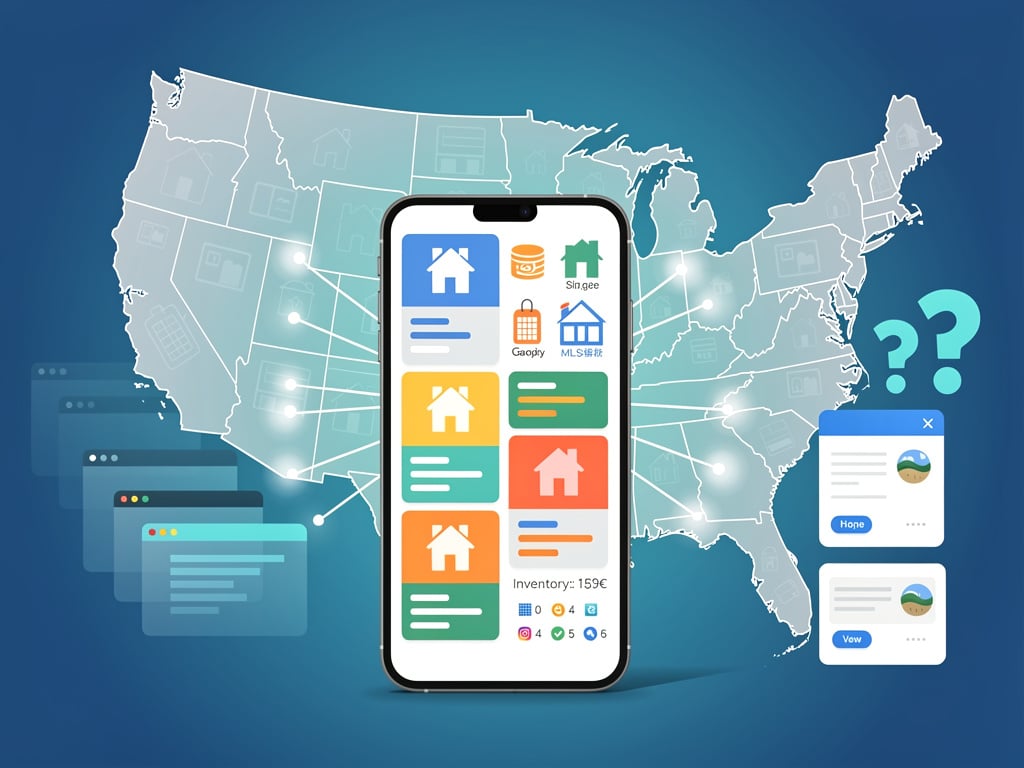
Google has expanded its HouseCanary-powered home listing ads to all 50 states after a limited pilot. The format surfaces photos, prices and features directly in mobile search, letting buyers contact agents instantly. Industry observers question inventory levels, MLS participation and impact on traditional portals.
Google just flipped a switch. After months of testing in a handful of major markets, the search giant has begun rolling out richer home-listing advertisements across all 50 states. Buyers scrolling through mobile results for houses now see photos, prices, key features and direct buttons to call, message or schedule appointments with local agents. The listings draw on data from HouseCanary, an AI-powered real estate brokerage and analytics firm. The expansion marks a decisive step beyond last year’s limited pilot. That test ran in eight cities: the Bay Area, Los Angeles, San Diego, New York City, Austin, Chicago, Miami and Cleveland. Google described the national move in a blog post on its Ads & Commerce site. “When people come to Search for trusted local guidance, Local Services Ads are a way to connect real estate professionals with homebuyers the moment they start searching,” the company wrote. But the format sits inside Local Services Ads. Agents must maintain a verified physical location tied to their advertising account. Listings come only from Multiple Listing Services that choose to participate. Which MLS groups have signed on for the full national push remains unclear. A HouseCanary spokesperson told Inman the program will continue expanding through the summer toward complete coverage. Real estate professionals have watched this development with a mix of anticipation and unease. Portals such as Zillow and Homes.com built billion-dollar businesses on aggregating listings and charging agents for prominence. Google now inserts property details directly into organic-style search results, yet charges for the lead connection. The shift could siphon high-intent traffic away from those dedicated sites. Pressure builds fast. The Real Deal noted the move adds fresh strain on those portals. Google’s experiment first appeared in late 2025, paused briefly, then returned in selected markets earlier this year. HouseCanary supplies the listing information and underlying data platform. Its technology powers the rich details buyers see without leaving the search page. Analysts question whether enough inventory will flow through. MLS participation determines success. Many associations guard their data closely and maintain strict rules on syndication. If major boards sit out, the ads will show sparse results in large swaths of the country. Lead routing presents another test. When a buyer taps the call or message button, where does that inquiry land? Brokerages worry about fair distribution among participants. Poor routing could spark complaints or reduced participation. Google has structured the ads as paid lead generation. Agents or their brokerages buy the Local Services Ads, which now carry these embedded listings. The company positions the format as helpful for consumers seeking trusted local guidance. Yet the commercial nature sits at the center. Every click or contact represents potential revenue for Google while bypassing traditional portal display advertising. Stock watchers took notice. Barron’s examined possible effects on shares of Zillow, Rocket and CoStar, the parent of Homes.com. Early reaction suggested concern that Google could capture more of the consumer journey. Real estate leads have long commanded premium prices because purchase decisions carry high value. Capturing intent at the search moment holds obvious appeal. HouseCanary itself operates as both data provider and brokerage. The firm uses artificial intelligence to analyze markets, value homes and support transactions. Its partnership with Google gives the search company access to sophisticated property data without building its own listing database from scratch. That arrangement lets Google move quickly. But it also ties the effort to one partner’s reach and willingness of MLS groups to share feeds. Industry reaction varies. Some agents see opportunity. They can appear directly in search results without depending on portal profiles or pay-per-lead services that sometimes deliver low-quality inquiries. Others fear commoditization. If Google controls the first touchpoint for many buyers, agents may feel forced to advertise there to stay visible. Brokerages already spend heavily on Google Ads for their own sites. This format layers another required budget line. The rollout arrives at a complicated time for residential real estate. Inventory remains tight in many markets despite higher mortgage rates. Buyers shop cautiously. Any tool that surfaces fresh listings matters. Yet the national scale introduces variables that the eight-market pilot never faced. Rural areas, smaller cities and regions with fragmented MLS systems could see uneven results. Google has stayed quiet on performance metrics from the pilot. No public data shows conversion rates, cost per lead or buyer satisfaction. The company simply announced the broader availability. HouseCanary echoed that the summer months would bring progressive market additions. Full details on participating MLS organizations have not yet emerged. Real estate has always been local. That fact underpins the entire industry structure from brokerages to MLS systems to state licensing. Google’s format tries to respect that by connecting buyers to local agents rather than creating a national portal. Still, the search company now sits in the middle of the transaction funnel in a new way. Its algorithms decide which listings appear. Its ad system determines who pays to be there. Portals have responded to past Google moves by tightening their own data controls and investing in direct consumer tools. Zillow, Redfin and others offer their own buyer and seller experiences that extend far beyond listings. Whether they lose meaningful traffic depends on how prominently these new ads rank and how many buyers act on them. Early tests suggested the format caught attention. National scale will reveal more. TechRepublic covered the announcement and its challenge to existing models in its report . The article highlighted the evolution from the 2025 pilot through the brief pause and reintroduction. HousingWire offered additional operational details in its coverage , noting the requirement for a linked physical business location. So the questions linger. Will enough MLS boards join to make the ads useful nationwide? Can lead routing satisfy both agents and buyers? Does Google possess the appetite to arbitrate disputes over listing accuracy or agent performance? Real estate deals move slowly. Technology introductions often face resistance before finding acceptance. Google has placed a significant bet. By expanding this format it signals confidence that consumers want property details inside search rather than clicking away to another site. Agents who participate gain a direct line to motivated shoppers at the exact moment of inquiry. The rest of the industry watches closely to see whether this becomes table stakes or simply one more advertising channel among many. The coming months will deliver answers. Summer traditionally brings higher home-shopping activity. As the ads appear in more markets, data will accumulate on their effectiveness. Brokerages will measure return on ad spend. MLS executives will debate participation. And millions of buyers will encounter home listings without ever leaving Google’s results page. The search company has opened a new front in the battle for real estate consumer attention. This time it looks prepared to fight across the entire country.